











 |
 |
||||||||||||||||||||||||||||
|


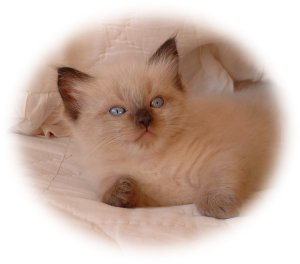
Information for potential kitten owners |
The UKRCC has heard many stories of people homing kittens from less than reputable breeders and the suffering, heart ache and expense that this causes. The charity works hard to encourage would-be Ragdoll kitten owners to take great care when selecting a breeder. It is important to always find a reputable breeder, one who truly cares for their cats, has excellent breeding practices and who produces, healthy, happy, well socialised kittens. Apart from raising healthy, happy kittens, usually within the home, a reputable breeder will most likely belong to one of the Ragdoll cat clubs, will register their kittens with the GCCF, follow GCCF and club guidelines and provide a kitten that is vaccinated, health checked and which has registration papers and a full pedigree certificate. |
 |
Try to visit several breeders, but please never visit more than one breeder in a day without changing your clothing and washing otherwise you could be the cause of spreading infection. Reputable breeders will be happy to welcome you into their home and allow you to see all of their cats. |
|
You should always see the mother of the kittens and the father if the breeder owns the stud boy. However, many breeders will use stud boys owned by others so it may not be possible to see him. The breeder should be happy to supply you with his details and hopefully a photograph or two. |
|
Has the kitten been raised in the breeders home or outside in 'cattery' accommodation? Kittens raised outside may find it more difficult to fit into your home environment. |
|
Ask the breeders lots of questions about the kitten's diet, worming, vaccinations, litter training etc. They should be happy to answer anything regarding their breeding practices. You should feel that your breeder is approachable. A good breeder will ask you lots of questions too. Don't be offended by this, they are just trying to find the best homes for their kittens and this shows they care. |
|
Check the kitten is in good health. It should have bright, clean eyes, with no thrid eye lid showing. The ears should be clean and free from wax and the nose should be free of any discharge. There should be no vomiting or diarrhoea present and the kitten should not have pot belly, as this is a sign of worm infestation. |
|
Be sure the kittens have been well socialised. The kitten should be confident in your presence, not hiding away. They should be happy to play and interact with you. If the kitten is vaccinated, ask to handle it. Well socialised kittens are happy to be picked up and cuddled. |
|
No reputable breeder will push you into making a quick decision and should be happy for you to go away and consider if their kitten is for you. Never buy a kitten without having viewed it first. |
|
Many breeders will ask you to sign a contract, don't be put off by this. It makes it clear the breeder wants the best for their kittens and has therefore put a lot into breeding and caring for them. |
|
Kittens should not be homed until they have completed a vaccination course for flu and enteritis and have reached at least 13 weeks of age. They should have been wormed, had preventative flea treatment and been fully health checked. Reputable breeders will provide a diet and care sheet. The kitten should be registered with the GCCF, FIFe or TICA and you should be provided with a full, signed pedigree, registration papers and a signed vaccination certificate, on the day you take the kitten. The breeder should be happy to support you once you have taken your kitten home. |
|
A reputable breeder will home their pet Ragdoll kittens at a cost of around £350 - £400. This price reflects the amount of money that has been invested into raising a healthy, well socialised kitten. Please do not be tempted to buy a 'cut price' kitten. There are breeders out there who will sell kittens for £200 or even less, but they are unlikely to register their kittens with the GCCF (or FIFe) and therefore will not be governed by their guidelines. Breeders selling kittens at these prices are probably cutting corners. The kittens are unlikely to be vaccinated, health checked, wormed etc. If it seems too good to be true, then it probably is. Please take great care and be sure to find a reputable breeder who is practicing good breeding policies and raising healthy, happy kittens. |
|
If you visit a breeder and find unwell kittens, being kept in poor conditions, then please do not be tempted to home one. You won't be 'saving' the kitten, you will only be encouraging the breeder to continue bad practice and produce more unhealthy kittens. Walking away is the best thing to do. Without buyers, the breeder will be unable to continue. If you have concerns about the condition the kittens are in, then contact the RSPCA. If the breeder is a member of a breed club and/or registers their kittens with the GCCF, then contact them too. |
No written material, images or photographs to be copied or reproduced.
The UKRCC is a Registered Charity, No. 1112049.

